
Blue Sapphire Stone: Meaning, Types & How to Check Real

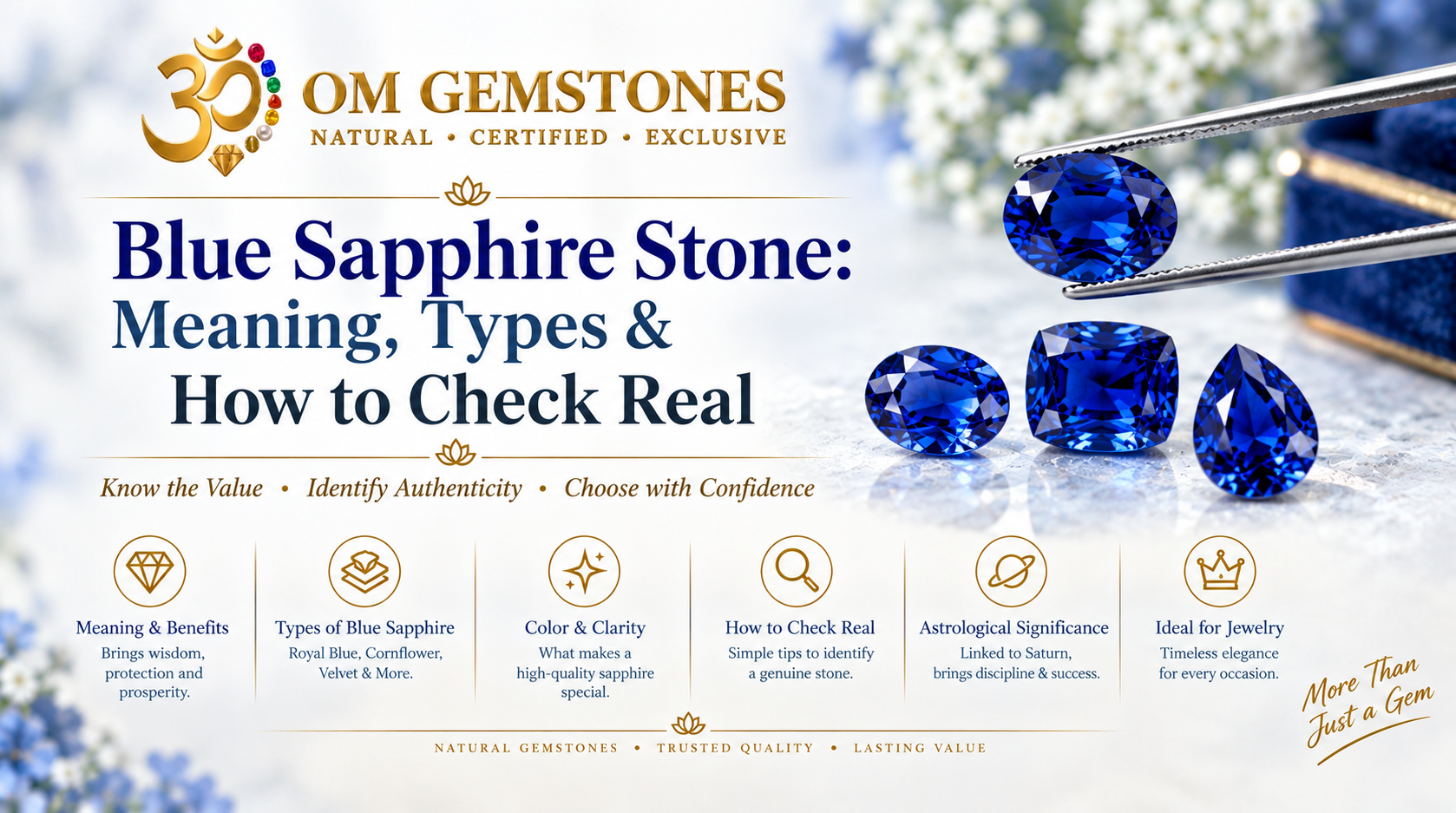
Famed as one of the most powerful, rapid-acting, and awe-inspiring gemstones in existence, the Blue Sapphire—universally known as Neelam Stone—holds a legendary reputation across Vedic astrology, historical lore, and high-end jewelry. Ruled by the strict, disciplined, and karmic planet Saturn (Shani), Neelam is revered for its extraordinary ability to transform an individual’s life by unlocking sudden career acceleration, wealth, laser-sharp focus, and protection from adversity.
Because Blue Sapphire is a high-potency planetary talisman that demands absolute precision in selection, buyers frequently seek clarity on its underlying meaning, global varieties, and reliable testing methods.
This comprehensive guide breaks down everything you need to know about Blue Sapphire.
1. The Meaning and Astrological Significance of Blue Sapphire
In Vedic astrology, Saturn governs karma, hard work, discipline, longevity, and professional dominance. When an authentic, unheated Neelam aligns favorably with an individual’s horoscope, it delivers profound advantages:
Instant Wealth and Career Growth: Neelam is famously known for clearing financial blockages and attracting sudden windfalls, major promotions, or steady, high-end business expansion.
Laser-Sharp Focus and Discipline: Saturn dispels procrastination and mental inertia, instilling immense organizational discipline, strategic patience, and resilience under pressure.
Shielding Against Negativity: It acts as an energetic armor, protecting the wearer from hidden enemies, workplace conspiracies, and competitive sabotage.
Explore our curated selection of certified, ethically sourced Blue Sapphires at Om Gemstones.
2. Exploring the Types and Geographical Origins of Blue Sapphires
Not all blue sapphires are created equal. The geographical origin and structural formation heavily dictate a stone’s transparency, light return, and market value:
Ceylon (Sri Lanka) Sapphires: Widely considered the global gold standard. Ceylon Blue Sapphires are prized for their brilliant cornflower or royal blue hues, exceptional transparency, and superior light dispersion.
Kashmir Sapphires: Legendary among global collectors for their velvety texture, milky cornflower blue appearance, and historical prestige. Top-grade Kashmir stones command historic valuations at international auctions.
Madagascar and Thai Sapphires: Mined in alternative regions, these stones offer varying shades of deep indigo and violet-blue, requiring careful selection to ensure optimal transparency and unheated purity.
3. How to Check if a Blue Sapphire is Real
The commercial gemstone market frequently encounters synthetic flame-fusion sapphires, glass composites, and heavily heat-treated stones. To ensure you invest in an original Neelam online, use these expert verification methods:
A. Inspect for Natural Microscopic Inclusions
A completely flawless, large, deep-blue sapphire at a bargain price is almost certainly synthetic. Genuine natural corundum almost always features microscopic silk lines, tiny crystal feathers, or subtle color zoning when examined under a 10x jeweler’s loupe.
B. Verify Extreme Hardness
Sapphires belong to the corundum family, ranking an impressive 9 on the Mohs scale of hardness (second only to diamond). A real blue sapphire cannot be scratched by glass, steel, or quartz.
C. The Thermal and Weight Test
Natural sapphire features high density and distinct thermal conductivity. Pressing a real stone against your inner wrist reveals that it feels noticeably cold to the touch and takes several moments to warm up, unlike plastic or glass imitations.
D. Demand Independent Laboratory Certification
Naked-eye evaluations can only go so far against modern laboratory-grown synthetics. Never purchase high-value sapphires without independent verification from a recognized, globally trusted gemological laboratory (such as GIA, IGI, or GSI). At Om Gemstones, every single blue sapphire is backed by verified laboratory certification detailing its exact natural corundum origin and treatment-free status.
4. Traditional Rules for Wearing Blue Sapphire
Because Saturn is a powerful, uncompromising taskmaster, Blue Sapphire demands strict adherence to traditional wearing protocols:
Metal Choice: Neelam should ideally be set in Silver, White Gold, or Platinum. Gold is traditionally avoided unless specifically advised by an expert astrologer.
Finger: Wear the ring exclusively on the Middle Finger (Madhyama) of your right (working) hand to align directly with Saturn’s energy.
Auspicious Timing: The optimal time to wear a Neelam ring is on a Saturday evening during the Shukla Paksha (waxing moon phase) just after sunset.
Activation Mantra: Chant the Saturn seed mantra 108 times before wearing:
“Om Sham Shanicharaya Namah” (ॐ शं शनैश्चराय नमः)
Final Thoughts
A natural Blue Sapphire is an extraordinary investment that bridges high-end luxury jewelry with profound cosmic utility. By prioritizing unheated Ceylon origins, verified lab reports, and proper astrological protocols, you unlock the true potential of Saturn’s gemstone.
Browse through our exclusive selection of ethically sourced, laboratory-certified Blue Sapphires at Om Gemstones, backed by decades of market trust.
Get in Touch with Us
Have questions about selecting the right carat weight, shade, or testing a Blue Sapphire for your horoscope? Reach out to our gemstone experts today:
Website: https://omgemstones.com/
Email Us: info@omgemstones.com
Call / WhatsApp: +91 95941 99889
Store Address: Shop No. 127/2, Opposite Kansara Chawl, Opera House, Bhuleshwar, Mumbai, Maharashtra 400002
Lorem ipsum dolor sit amet, consectetur adipiscing elit. Ut elit tellus, luctus nec ullamcorper mattis, pulvinar dapibus leo.
 Blue Sapphire
 Yellow Sapphire
 Emerald (Panna)
 Ruby (Manik)
 Red Coral
 Cats Eye
 Hessonite
 Pearl
 White Sapphire
 Amethyst
 Citrine
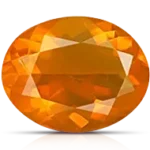 Fire Opal
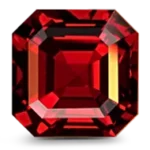 Garnet
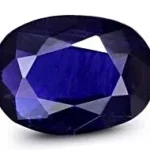 Iolite
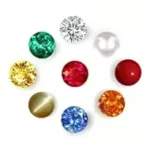 Navratna
 Opal
 Peridot
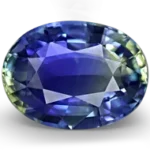 Pitambari Neelam
 Turquoise
 White Coral
 Yellow Topaz
 Zircon
 Alexandrite
 Burmese Ruby
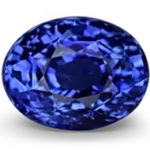 Cornflower Blue Sapphire
 Colombian Emeralds
 No Oil Emerald
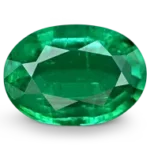 Panjshir Emerald
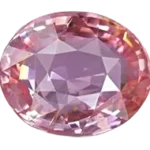 Padparadscha Sapphire
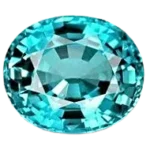 Paraiba Tourmaline
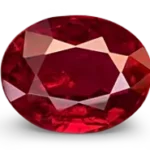 Pigeon Blood Ruby
 Pink Sapphire
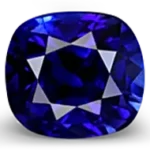 Royal Blue Sapphire
 Tanzanite
 Amber
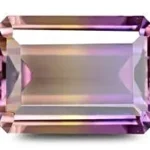 Ametrine
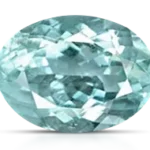 Aquamarine
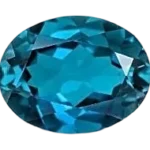 Blue Topaz
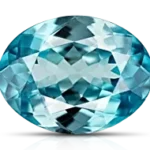 Blue Zircon
 Kyanite
 Lapis Lazuli
 Moldavite
 Moonstone
 Spinel
 Star Ruby
 Tourmaline