Natural vs. Cultured Pearls: How to Identify Authentic Moti

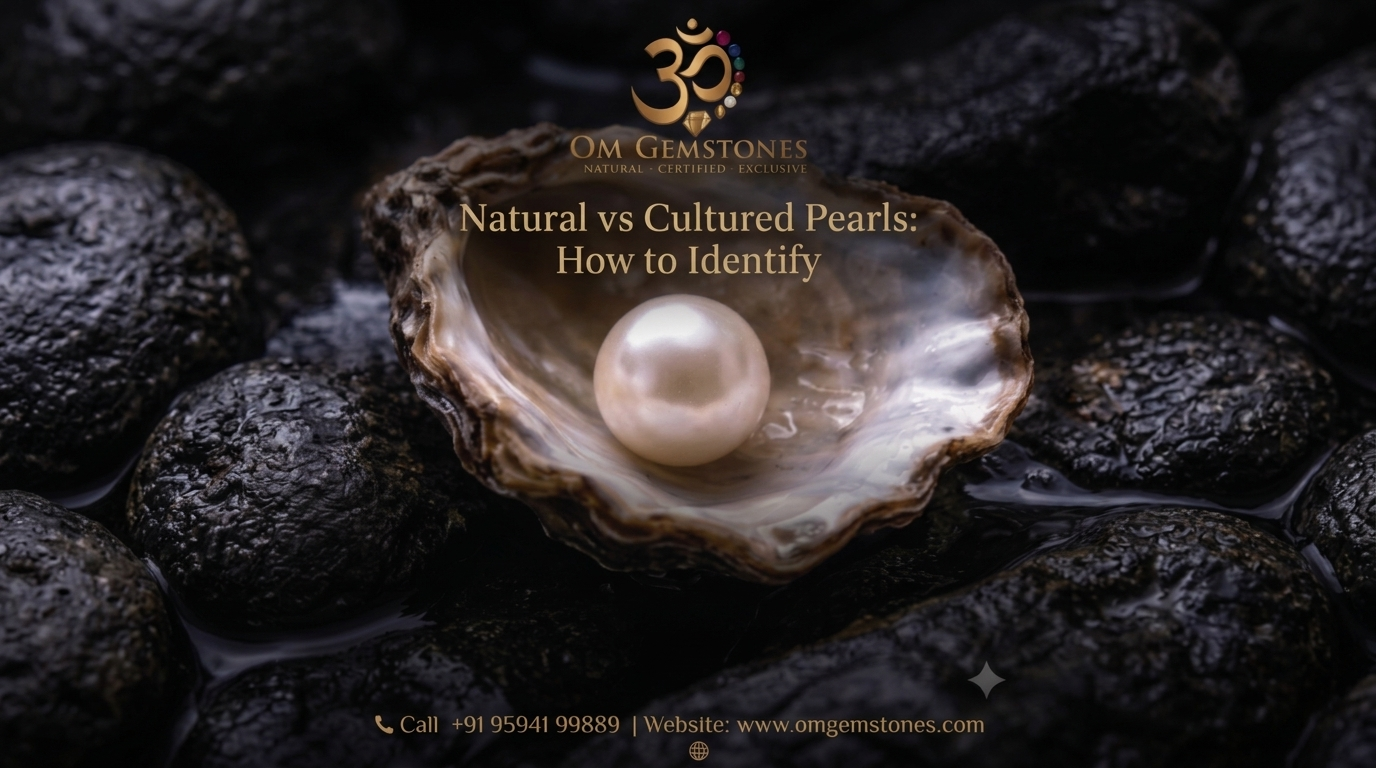
In Vedic astrology (Jyotish), the Pearl (Moti) is revered as the primary gemstone of the Moon (Chandra). Associated with peace, emotional balance, mental clarity, and intuition, a natural pearl acts as a soothing anchor against stress and anxiety.
However, finding a genuine natural pearl in today’s market can be challenging. The gemstone industry is filled with cultured pearls, treated gems, and synthetic imitations. While cultured pearls are fine for fashion jewelry, only 100% natural, uncultured sea pearls possess the untouched cosmic energy required for effective astrological remedies (Rashi Ratna).
Here is a straightforward guide to identifying true natural pearls so you can make an informed choice for your astrological needs or custom jewelry collection.
1. Formation: Nature vs. Cultivation
The primary difference between a natural pearl and a cultured pearl lies in how they are formed deep within the shell.
🌊 Natural Sea Pearls: Form completely in the wild ocean without any human intervention. When a natural irritant lodges inside a wild mollusk, the oyster layers smooth nacre around it over several years. This undisturbed, organic process equips the pearl with pure planetary energy.
🦪 Cultured Pearls: Created on pearl farms through human intervention. A technician manually inserts a bead nucleus into the oyster to induce nacre production. While organic and real, the human intervention alters the gem’s natural energy flow for Vedic astrology.
2. Visual Identification Markers
While gemological testing is necessary for definitive proof, natural sea pearls display distinct physical characteristics:
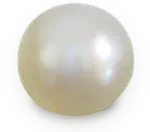
✨ Irregular Shapes: True natural sea pearls are rarely perfectly spherical. They often showcase subtle baroque, oval, or button shapes.
✨ Luster & Reflection: A natural pearl exhibits a deep, multi-layered glow (orient) that radiates from within the stone, rather than a superficial shine.
✨ Unique Surface Growth: Natural pearls often show subtle growth lines or micro-variations on the surface, indicating unhindered natural growth.
3. The Importance of Advanced Lab Testing
Because top-tier cultured pearls can visually mimic natural pearls, visual inspection alone is never enough. Advanced gemological labs utilize specialized equipment to verify origin:
🔬 X-Ray Radiography & Micro-CT: Laboratory testing uses X-rays to inspect the internal growth structure of the pearl. A natural pearl reveals continuous concentric growth rings from the core to the surface, whereas a cultured pearl shows a solid, artificially inserted central bead nucleus.
🔬 Certificate Terminology: Ensure your gemological report explicitly states “Natural Sea Pearl” or “Uncultured Pearl.” Generic labels like “Real Pearl” or “Cultured Pearl” do not qualify for astrological use.
4. Astrological Recommendations for Wearing Moti
To maximize the benefits of your natural pearl:
💍 Metal: Set your natural pearl in pure Silver to complement the Moon’s cooling energy.
💍 Setting: Use an open-back ring or pendant setting so the gem maintains direct skin contact.
💍 Placement: Wear the ring on the little finger (Kanishtha) of your working hand on a Monday morning during Shukla Paksha.
Buy Certified Natural Pearls at OM Gemstones
Finding genuine, uncultured sea pearls requires total transparency and expert guidance. At OM Gemstones, located in Mumbai’s renowned Opera House jewelry district, every gemstone in our collection is handpicked, direct-sourced, and backed by independent gemological lab reports.
Whether you are looking for an astrological remedy or crafting a bespoke piece of fine jewelry, we offer direct access to 100% natural, certified gemstones.
📍 Visit Our Store: Shop No. 127/2, Opposite Kansara Chawl, Opera House, Bhuleshwar, Mumbai, Maharashtra 400002
🌐 Explore Online: omgemstones.com
📞 Consultation / WhatsApp: +91 95941 99889
 Blue Sapphire
 Yellow Sapphire
 Emerald (Panna)
 Ruby (Manik)
 Red Coral
 Cats Eye
 Hessonite
 Pearl
Pearl White Sapphire
 Amethyst
 Citrine
 Fire Opal
 Garnet
 Iolite
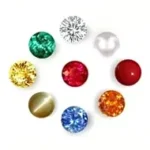 Navratna
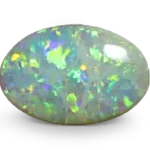 Opal
Opal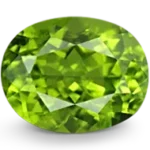 Peridot
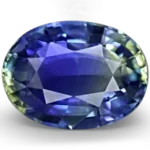 Pitambari Neelam
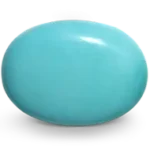 Turquoise
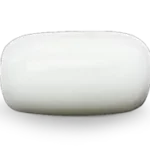 White Coral
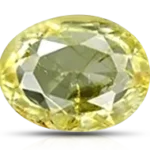 Yellow Topaz
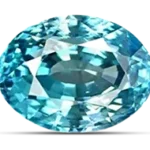 Zircon
 Alexandrite
 Burmese Ruby
 Cornflower Blue Sapphire
 Colombian Emeralds
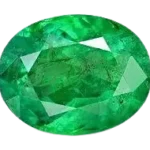 No Oil Emerald
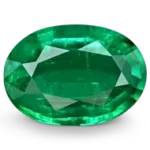 Panjshir Emerald
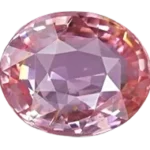 Padparadscha Sapphire
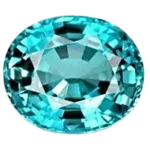 Paraiba Tourmaline
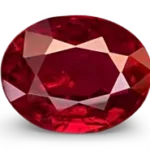 Pigeon Blood Ruby
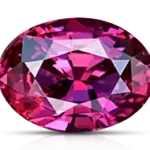 Pink Sapphire
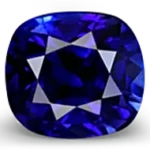 Royal Blue Sapphire
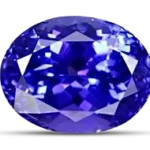 Tanzanite
 Amber
Amber Ametrine
 Aquamarine
 Blue Topaz
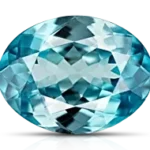 Blue Zircon
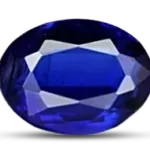 Kyanite
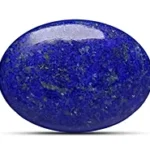 Lapis Lazuli
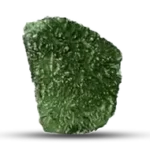 Moldavite
 Moonstone
 Spinel
 Star Ruby
 Tourmaline