Ruby Gemstone Origins: Best Sources of Rubies


Ruby Gemstone Origins: Best Sources of Rubies
Ruby is one of the world’s most treasured precious gemstones, admired for its intense red color, exceptional durability, rarity, and timeless appeal. Known as Manik (Manikya) in Vedic astrology, Ruby has been valued for centuries in jewelry and traditional gemstone practices.
But where does Ruby come from?
The origin of a Ruby can influence its color, inclusions, rarity, appearance, and market value. Some origins are particularly famous for producing exceptional-quality rubies, while others are important sources of gem-quality material.
From the legendary ruby mines of Burma (Myanmar) to the major deposits of Mozambique, let’s explore the world’s best Ruby gemstone origins and understand what makes each source special.
1. Why Is Ruby Origin Important?
Ruby is the red variety of the mineral corundum, with its red color primarily associated with chromium.
Geographic origin refers to the location where a gemstone was formed and mined. Different geological environments can produce rubies with different characteristics, including:
Color and saturation
Inclusions
Transparency
Fluorescence
Chemical composition
Rarity
Market desirability
However, origin is only one factor in determining a Ruby’s quality and value. Color, clarity, cut, carat weight, treatment, and overall beauty are equally important.
For valuable gemstones, a professional gemological laboratory may examine the stone’s inclusions and chemical characteristics to help determine geographic origin.
2. Burma (Myanmar): The Legendary Ruby Origin
When discussing the best Ruby gemstone origins, Burma—now officially known as Myanmar—is one of the most famous names in the gemstone world.
The Mogok Valley in Myanmar has produced rubies for centuries and is renowned for exceptional-quality stones. Burmese rubies are particularly famous for vivid red colors and fine-quality material.
Some exceptional Burmese rubies are described using the trade term “pigeon blood red,” referring to a highly desirable vivid red color.
Myanmar has also produced rubies from other important deposits, including Mong Hsu.
Why Burmese Ruby Is Highly Valued
Historic and prestigious origin
Famous Mogok ruby deposits
Exceptional red color in fine stones
Rarity of top-quality material
Strong collector and market demand
OM Gemstones offers a collection of Burmese Rubies in different sizes and carat weights, including individual certified gemstone pieces.
Explore Burmese Ruby and Natural Ruby at OM Gemstones
3. Mozambique: A Major Modern Ruby Source
Mozambique has become one of the most important modern sources of natural Ruby.
The Montepuez region in particular has produced significant quantities of gem-quality Ruby and has played an important role in the global ruby market.
Mozambique rubies can display attractive vivid red, pinkish-red, and purplish-red colors. Their availability has made Mozambique an important origin for both jewelry-quality rubies and collectible stones.
While Burmese Ruby has a legendary historical reputation, the quality of any individual gemstone should always be evaluated on its own characteristics rather than origin alone.
4. Sri Lanka: An Important Gemstone Origin
Sri Lanka is internationally famous for its sapphire deposits, but the country also produces natural Ruby and star Ruby.
Sri Lankan rubies can range from pinkish-red to red and may display characteristics that distinguish them from rubies from other origins.
The country’s long gemstone-mining history makes Sri Lanka an important origin to consider when researching natural Ruby.
5. Vietnam: Rare Natural Rubies
Vietnam is another recognized source of natural Ruby.
Some Vietnamese Ruby deposits are associated with marble-hosted geological environments. Fine-quality Vietnamese rubies can be highly attractive and are of interest to collectors.
Determining geographic origin is not always straightforward. Gem laboratories may examine a combination of internal inclusions and chemical characteristics, and in some cases an origin determination may remain inconclusive.
This is why a professional laboratory report is particularly important when the claimed origin contributes significantly to a Ruby’s value.
6. Afghanistan and Other Ruby Sources
Natural Ruby is also found in several other parts of the world, including:
Afghanistan
Madagascar
Tanzania
Pakistan
Tajikistan
India
The Jegdalek region of Afghanistan, for example, is known as a historic source of Ruby.
Different origins can produce rubies with different appearances and geological characteristics, making Ruby origin an interesting subject for collectors and gemstone enthusiasts.
7. Which Country Produces the Best Rubies?
There isn’t one simple answer.
Myanmar is arguably the most famous Ruby origin because of the historic reputation of Mogok and its exceptional stones.
Mozambique has become one of the world’s most important modern Ruby sources.
Other origins such as Vietnam, Sri Lanka, Afghanistan, Tanzania, and Madagascar also contribute natural rubies to the international gemstone market.
Most importantly, the origin of a Ruby does not automatically determine its quality.
A beautiful, well-cut, natural Ruby with excellent color and good transparency can be more desirable than a lower-quality gemstone simply because it comes from a famous origin.
8. What Makes a Ruby Valuable?
When buying a natural Ruby, don’t focus only on its country of origin.
The major factors to consider include:
Color
Color is one of the most important characteristics of Ruby. Strong, vivid and attractive red colors are generally highly desirable.
Clarity
Natural rubies commonly contain inclusions. The type, number, size, and visibility of inclusions can influence beauty and value.
Treatment
Many rubies in the international market have undergone heat treatment. Fine untreated rubies are considerably rarer.
Carat Weight
Larger high-quality rubies are uncommon and can command significantly higher prices.
Origin
A prestigious origin can influence value, particularly when supported by a reliable laboratory report.
Certification
A trusted gemological report helps buyers understand important characteristics such as whether the stone is natural and whether treatments have been detected.
9. Natural Ruby vs Treated Ruby
One of the most important questions when buying a Ruby is whether the stone is natural, synthetic, or treated.
Natural rubies are formed naturally within the Earth, while laboratory-created rubies are manufactured under controlled conditions.
Natural rubies can also undergo treatments such as heating to improve their appearance.
Therefore, simply seeing the word “natural” isn’t enough when buying a valuable gemstone.
Ask about:
Natural or laboratory-created origin
Heat treatment
Other detected treatments
Laboratory certification
Geographic origin, if claimed
Exact carat weight
For expensive Ruby gemstones, independent laboratory documentation can provide valuable additional confidence.
10. How to Buy a Ruby Based on Its Origin
If you are looking for a Burmese Ruby, Mozambique Ruby, or another natural Ruby, always consider the complete gemstone rather than relying only on the origin name.
Before purchasing, check:
Is the Ruby natural?
Is it treated or untreated?
Does it have a laboratory report?
Is the stated origin supported by a laboratory?
Does the certificate correspond to the exact gemstone?
Is the color accurately represented?
Is the gemstone suitable for your intended purpose?
At OM Gemstones, individual gemstones are presented with detailed product information, and the website emphasizes certified natural gemstones and independent laboratory testing.
Discover Natural Ruby (Manik) at OM Gemstones
OM Gemstones offers a curated collection of Natural Ruby (Manik) gemstones, including Burmese Ruby and Ruby pieces in different colors, sizes, and carat weights. The current Ruby collection includes stones ranging from smaller gemstones to larger premium pieces.
Whether you are searching for a Burmese Ruby, natural Ruby for jewelry, or Ruby for traditional Vedic astrology, OM Gemstones can help you understand the gemstone’s characteristics, certification, origin, and quality before making a purchase.
Explore the collection:
https://omgemstones.com/product-category/ruby-manik/
Website:
https://omgemstones.com/
Phone: +91 95941 99889
Email: info@omgemstones.com
Address: Shop No. 127/2, Opposite Kansara Chawl, Opera House, Bhuleshwar, Mumbai, Maharashtra 400002.
Final Thoughts
The origin of a Ruby tells an important part of its story. From the legendary Mogok rubies of Myanmar to the important modern deposits of Mozambique, every ruby-producing region has its own geological history and gemstone characteristics.
However, the best Ruby isn’t determined by origin alone. Color, clarity, treatment, cut, carat weight, rarity, and reliable certification should all be considered when evaluating a gemstone.
If you’re searching for a natural and certified Ruby gemstone, understanding its origin is an excellent first step toward making a more informed purchase.
 Blue Sapphire
 Yellow Sapphire
 Emerald (Panna)
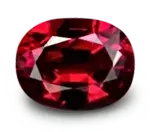 Ruby (Manik)
 Red Coral
 Cats Eye
 Hessonite
 Pearl
 White Sapphire
 Amethyst
 Citrine
 Fire Opal
 Garnet
 Iolite
 Navratna
 Opal
 Peridot
 Pitambari Neelam
 Turquoise
 White Coral
 Yellow Topaz
 Zircon
 Alexandrite
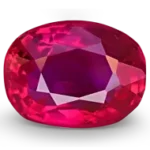 Burmese Ruby
 Cornflower Blue Sapphire
 Colombian Emeralds
 No Oil Emerald
 Panjshir Emerald
 Padparadscha Sapphire
 Paraiba Tourmaline
 Pigeon Blood Ruby
 Pink Sapphire
 Royal Blue Sapphire
 Tanzanite
 Amber
 Ametrine
 Aquamarine
 Blue Topaz
 Blue Zircon
 Kyanite
 Lapis Lazuli
 Moldavite
 Moonstone
 Spinel
 Star Ruby
 Tourmaline